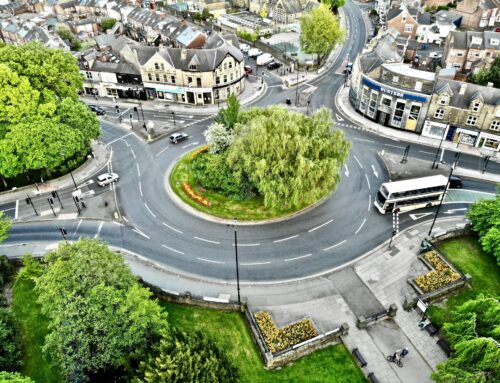
A site layout can look completely correct on a drawing and still fail the moment a real vehicle tries to use it. Lines on a plan do not turn, reverse or run wide on a bend. Vehicles do.
Swept path analysis is how that gap gets closed. It tests whether the vehicles a development depends on can physically move through the access, the internal roads and the servicing areas. Run early, it shapes the design. Run late, it tends to expose problems that are expensive to fix.
What swept path analysis is
Swept path analysis models the path a vehicle traces as it moves, including the overhang of the body as it turns. The output shows the full area the vehicle sweeps through, not just where its wheels go.
That distinction matters. A vehicle’s body swings wider than its wheels on a turn, so a route that looks wide enough on a simple line drawing can still clip a kerb, a wall or a parked car. The analysis makes those conflicts visible before anything is built.
Choosing the right design vehicle
The value of the analysis depends entirely on testing the correct vehicle. A layout proven for a car tells you nothing about whether a refuse lorry can get round.
The right approach is to identify the largest and most frequent vehicles the site will actually receive, then test against those. For most developments that means refuse vehicles, delivery vehicles and emergency access at a minimum. Picking a vehicle that is too small produces a drawing that passes review but fails in use, which helps nobody.
Where it makes or breaks a layout
Some parts of a site carry far more risk than others. Swept path analysis tends to matter most at:
- The site access, where vehicles move between the development and the public road
- Internal junctions and tight bends
- Loading and servicing areas where larger vehicles manoeuvre
- Refuse collection points and their approach
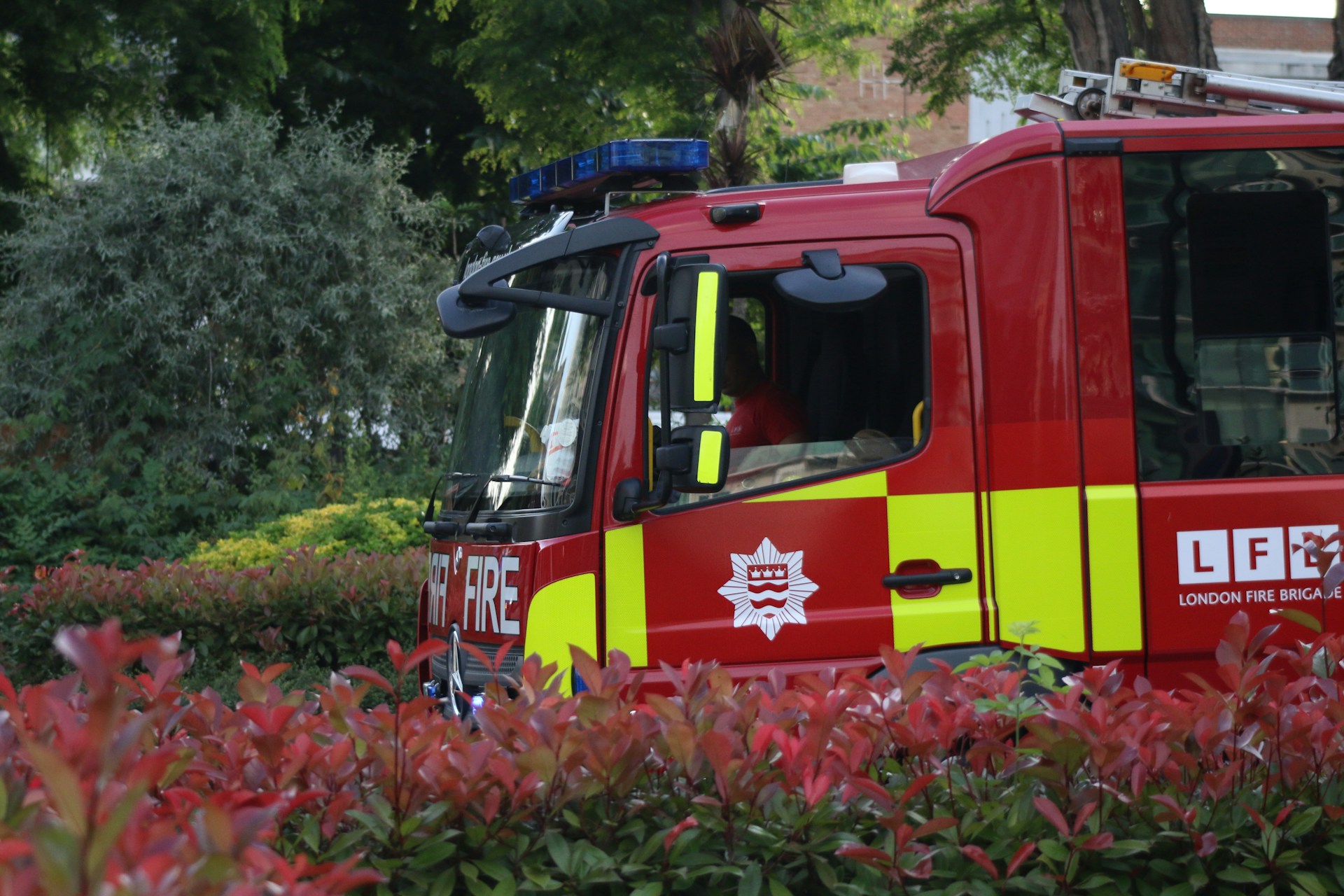
- Emergency vehicle access routes
These are the places where a small error in geometry becomes a real problem. A bin lorry that cannot reach the collection point, or a fire appliance that cannot turn, is the kind of issue that holds up approval until it is resolved.
Reading the output properly
The drawings show where a vehicle can go and, more usefully, where it cannot. Encroachment onto a footway, a kerb overrun, or a body overhang crossing into an opposing lane all point to a layout that needs adjusting.
Some encroachment may be acceptable in a controlled situation, such as a slow private yard. The same overrun onto a busy footway would not be. Interpreting the result in context is part of the job, not just producing the diagram.
Run it early so it shapes the design
The biggest mistake is treating swept path analysis as a final check on a finished layout. By then, any problem it finds forces a redesign, and redesign at that stage is slow and costly.
Run at concept stage, the same analysis informs the design instead of testing it. Access widths, kerb radii and the position of loading areas can be set correctly from the outset. The layout that results is one that works in reality, which is far easier to defend through planning. Where this has been done well is visible across TPA’s project experience.
It supports the wider transport case too
Swept path analysis rarely sits on its own. It backs up the access design, feeds into servicing arrangements, and supports any traffic management plan that involves larger vehicles.
It is one of the proof points that turns an assertion into evidence. A traffic management plan that claims vehicles can move through a site is far stronger when tracking diagrams demonstrate it, as set out in this look at what goes into a traffic management plan that actually gets approved.
Check the movements before the layout is fixed
If you are working on a layout where larger vehicles have to move through tight spaces, it is worth testing the movements before the design is set. Finding a conflict on a drawing is straightforward. Finding it on site is not.
You can get in touch with the team via the London office, the Bristol office, or the Cambridge office to talk through your scheme.