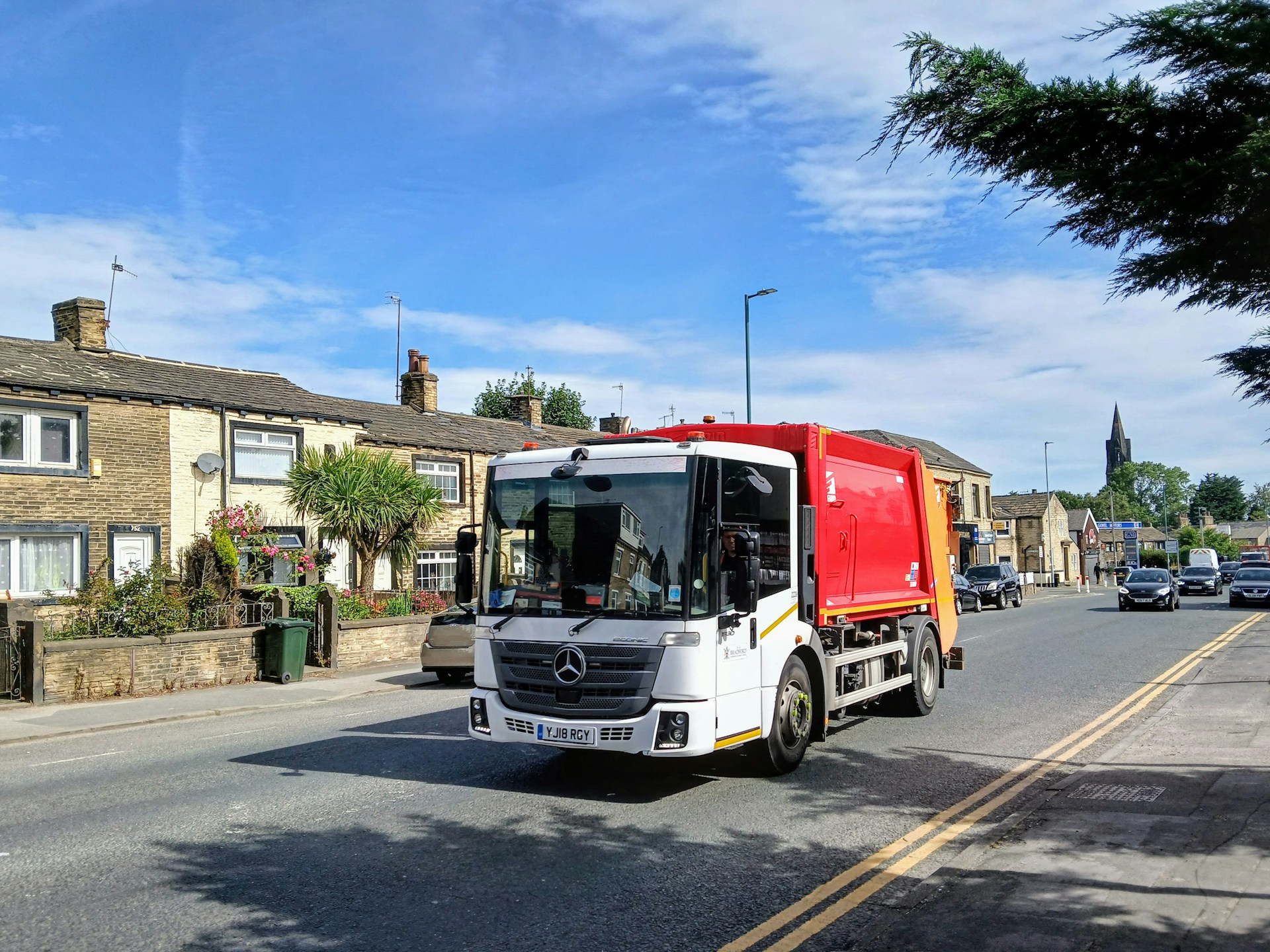
Servicing is the part of a development that everyone uses but few people picture at design stage. Deliveries, refuse collection, maintenance vehicles and trade access all have to happen once the building is occupied, day after day.
A delivery and servicing plan sets out how that works. It is often left until late in a submission, yet a weak one can hold up a scheme that is otherwise sound. Planning officers want to see that the day to day running of the site has been thought through, not just the headline traffic figures.
What a delivery and servicing plan actually is
A delivery and servicing plan, sometimes called a DSP, describes how goods and services reach a development once it is in use. That covers deliveries, waste collection, servicing and maintenance, and any trade or contractor access the site relies on.
It is worth being clear about what it is not. A delivery and servicing plan deals with the operational life of the building. It is different from a construction traffic management plan, which deals only with the building phase. The two are sometimes confused, but they answer different questions and sit at different points in the project.
Design for the vehicles you will actually receive
The starting point is being honest about which vehicles will serve the site. A small retail unit and a distribution-led use will attract very different deliveries, and the plan has to reflect the real pattern rather than a convenient one.
That means identifying the largest and most frequent vehicles, how often they arrive, and at what times. If the plan assumes small vans but the use draws articulated lorries, the design will fail in practice even if it passes on paper. Vehicle movements should be tested against the actual layout so the manoeuvres are known to work.
Show where servicing happens and how
A reviewer wants to see exactly where a vehicle stops, how it gets there, and how it leaves. Vague references to deliveries taking place on the site rarely satisfy that.
A clear plan sets out:
- Where loading and unloading takes place
- How vehicles enter, turn and exit without reversing onto the highway
- Whether any servicing relies on the public road, and if so how that is managed
- The time windows deliveries are expected to use
Where servicing has to happen on-street, that needs to be justified rather than assumed. Authorities are cautious about arrangements that interrupt traffic or block cycle lanes, so the plan has to show the impact is limited and controlled.
Manage the conflicts before they are raised
Servicing rarely happens in isolation. Delivery vehicles share space with pedestrians, residents, parked cars and passing traffic, and that is where objections tend to come from.
A strong plan makes those conflicts visible and explains how each is handled. That might mean separating delivery access from pedestrian routes, setting delivery times away from peak periods, or designing the loading area so vehicles never have to reverse across a footway. Linking each measure to a specific risk reads as considered. A generic list reads as guesswork.
Servicing, parking and layout are connected
Servicing decisions affect parking and layout, and the reverse is true as well. A loading bay takes space that could otherwise be parking. A service route shapes how the internal road is arranged.
Because of that, servicing should be worked out alongside the parking strategy rather than bolted on afterwards. The way authorities approach parking provision is set out in this look at parking standards in planning, and the same site has to make both work together.
Keep it consistent with the wider submission
A delivery and servicing plan does not stand alone. It has to line up with the transport statement or transport assessment supporting the application, and with the access and parking strategy.
If those documents say one thing and the servicing plan says another, the inconsistency slows everything down. Trip patterns, vehicle types and access points should match across the whole submission. When they do, the case is easier to support and harder to pick apart.
A late plan is a missed opportunity
Treated as a tick-box at the end, a delivery and servicing plan often exposes problems too late to fix cleanly. Treated as part of the design from the start, it shapes a layout that works in daily use and reassures the authority at the same time.
The difference shows in how smoothly the application moves. Examples of how servicing and layout are developed together can be seen across TPA’s project experience.
Get a view before the layout is locked in
If you are unsure whether your servicing arrangements will satisfy the authority, it is worth checking before the design is fixed. A short review early on often highlights issues that would otherwise surface during determination.
You can get in touch with the team via the London office, the Bristol office, or the Cambridge office to talk through your scheme.