By bringing Britain’s railways back into public ownership, Westminster ostensibly aims to cut rail fares while enhancing the overall quality of service for passengers up and down the country. These changes are set to be packaged under the banner of Great British Railways, a bold new brand.
The new state-owned railway company is set to tie together 17 different organisations, bringing an end to what the Government describes as a “fragmented system”. The new branding will be emblazoned on not just trains, but also a new app offering train fares with no booking fees.
Great British Railways (GBR) will also be tasked with overseeing large parts of the UK’s rail infrastructure. As transport consultants with offices in London, Bristol and Cambridge, we are especially interested in what the new plans could mean for future rail development projects.
How GBR aims to cut costs for travellers
In early November, the Railways Bill was introduced to parliament. The passing of the bill will usher in the establishment of Great British Railways. The brand design — with a red, white and blue colour scheme evoking the Union Flag — will start rolling out to websites and stations next spring.
The new GBR ticketing app will enable users to buy tickets online without incurring booking fees. Ministers hope this will be perceived as another big financial win for passengers after the Government also recently froze rail fares for the first time in 30 years.
The future of rail development
Our transport consultants can advise and guide rail developers at every stage of a project, from pre-acquisition feasibility analysis to onsite implementation. We will therefore be able to help our clients adapt to changes brought by Great British Railways, a body intended to maintain and improve the railways.
In a press release announcing Great British Railways, the UK Government revealed that “a strengthened passenger watchdog will investigate poor service and demand improvement”. This could open up more opportunities for rail developers, as physical changes to the rail network could essentially be mandated by passenger demand.
Indeed, the Government has declared that GBR is about “bringing the railway together under one brand owned by the public, delivering for the public, not for private shareholders.” Another stated objective is to “cut through the frustrating bureaucracy and lack of accountability that continues to plague the railways”.
What kind of changes can we expect to see?
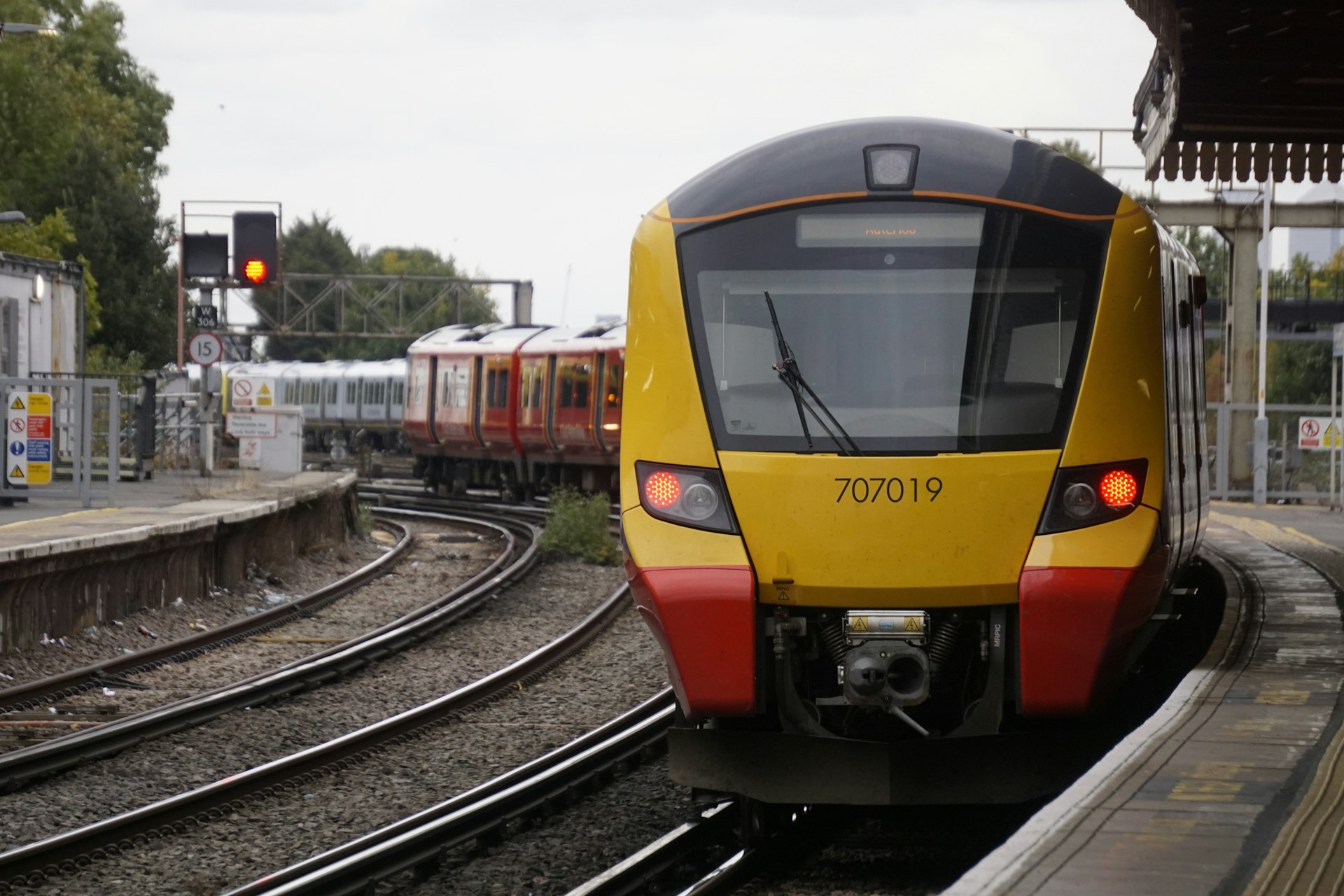
The Government has highlighted meaningful progress already made by publicly owned operators. For example, South Western Railway has increased passenger capacity by nearly 10%, while Southeastern Railway has poured £2 million into camera technology to help detect potential faults on the rail network.
To learn more about the guidance and expertise that our transport consultants can provide in support of your projects, please contact your nearest Transport Planning Associates (TPA) office today. When you do so, we be pleased to give you the benefit of tailored transport planning and infrastructure advice.