The government has published updated national design guidance aimed at improving the quality, sustainability, and liveability of new housing developments, as part of the biggest rewrite of the planning system in over a decade.
Released by the Ministry of Housing, Communities and Local Government and housing minister Matthew Pennycook, the guidance sets clearer national expectations for how new neighbourhoods should be designed, with implications for how Traffic Impact Assessments are prepared, interpreted, and weighed in planning decisions.
What the guidance says about movement and traffic
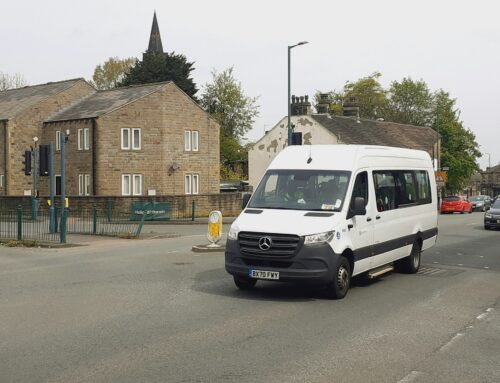
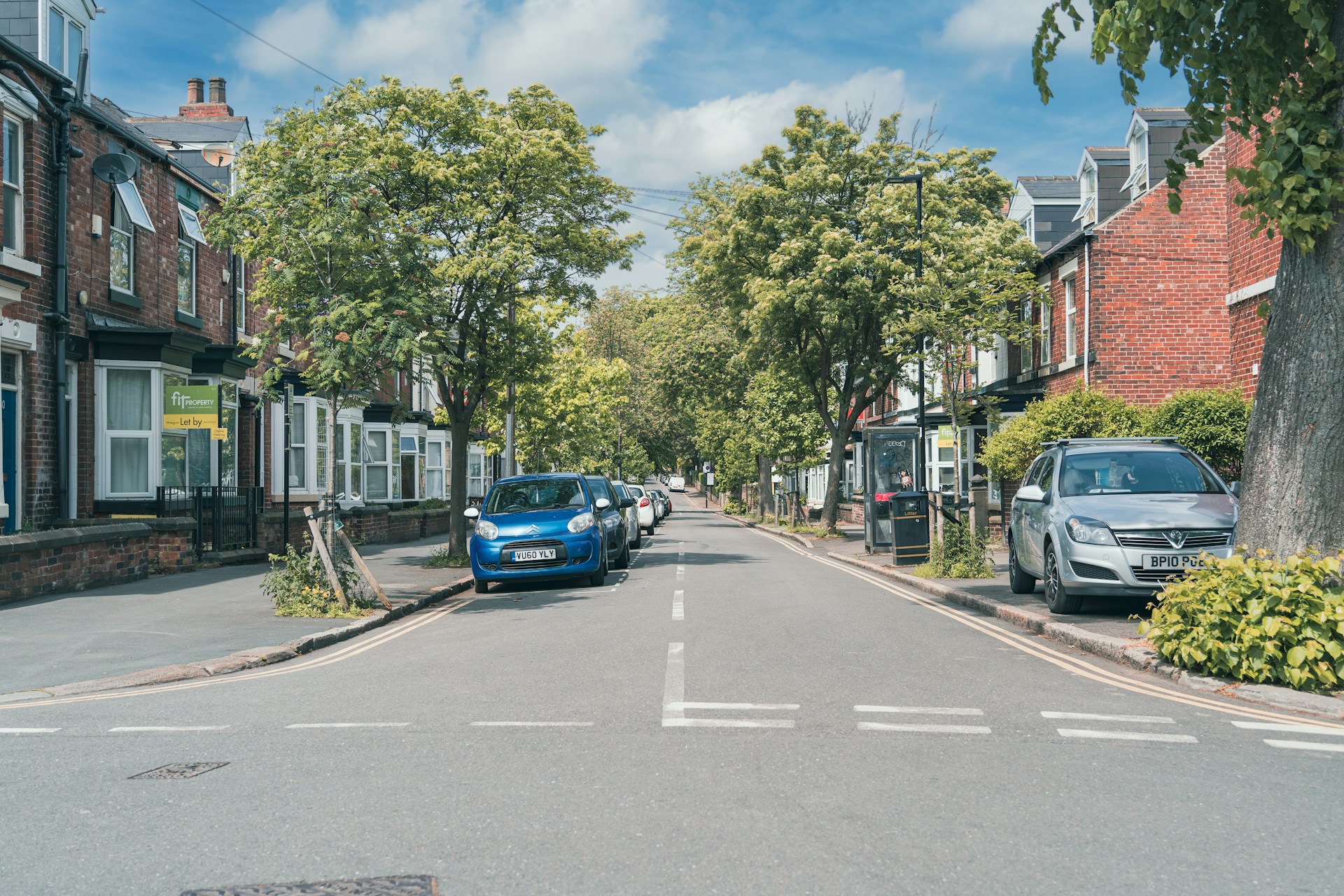
Movement is identified as one of seven defining features of well-designed places. The guidance places emphasis on safe streets, accessible public transport, and parking that supports daily life without resulting in car-dominated layouts.
Developments are expected to prioritise walking, cycling, and access to local services, with calmer streets and reduced traffic dominance forming part of the overall design approach. This marks a continued shift away from car-first planning assumptions and reinforces the role of design in shaping traffic outcomes.
Implications for Traffic Impact Assessments
While the updated guidance does not introduce new statutory requirements, it is likely to influence how Traffic Impact Assessments are reviewed by local planning authorities.
Rather than focusing solely on junction capacity or peak-hour vehicle movements, Traffic Impact Assessments may be expected to demonstrate how development layouts, access arrangements, and parking strategies support people-focused streets and reduced reliance on private cars.
Assessments that do not reflect the guidance’s emphasis on walkability, public transport accessibility, and calmer traffic conditions may face greater scrutiny, particularly where proposals conflict with adopted local plans or wider design objectives.
Traffic Impact Assessments and design-led decision making
The guidance forms part of a broader move towards design-led planning decisions, where transport evidence is assessed alongside placemaking, climate resilience, and public health considerations.
In this context, Traffic Impact Assessments are increasingly expected to sit within a wider narrative that explains how movement within and around a site supports long-term neighbourhood function, rather than acting as standalone technical documents focused only on highway performance.
Climate resilience and its relationship to traffic impacts
The updated guidance reinforces expectations that new developments address climate change through green infrastructure, flood risk mitigation, and support for low-carbon travel.
These elements have a growing relationship with Traffic Impact Assessments, particularly where traffic levels, street design, and access arrangements influence air quality, overheating, and environmental performance.
Electric vehicle charging, reduced traffic dominance, and layouts that encourage active travel are all highlighted as integral to good design, reinforcing the need for transport evidence to align with climate objectives.
Local plans, design codes, and future expectations
Local authorities will continue to set the vision for their areas through local plans, supported by masterplans and local design codes. The government has also confirmed its intention to publish model design codes later this year to provide clearer expectations for both smaller and larger developments.
These changes are intended to provide clarity earlier in the planning process, reducing delays and supporting more consistent decision-making, with Traffic Impact Assessments playing a supporting role within a clearer, rules-based system.
Part of wider planning reform
The publication supports the government’s ongoing consultation on a revised National Planning Policy Framework, which places people, climate resilience, and nature recovery at the centre of planning policy.
Ministers have said the updated design guidance will help speed up local planning decisions and support the delivery of 1.5 million high-quality homes during this Parliament. The consultation on the draft guidance will run until 10 March.
If you would like to discuss how Transport Planning Associates can support your current or upcoming projects, please contact your nearest office to speak with one of our experienced consultants.