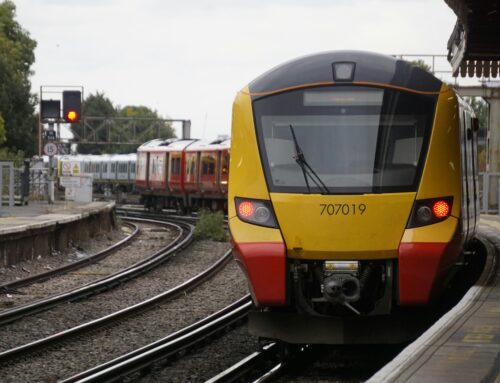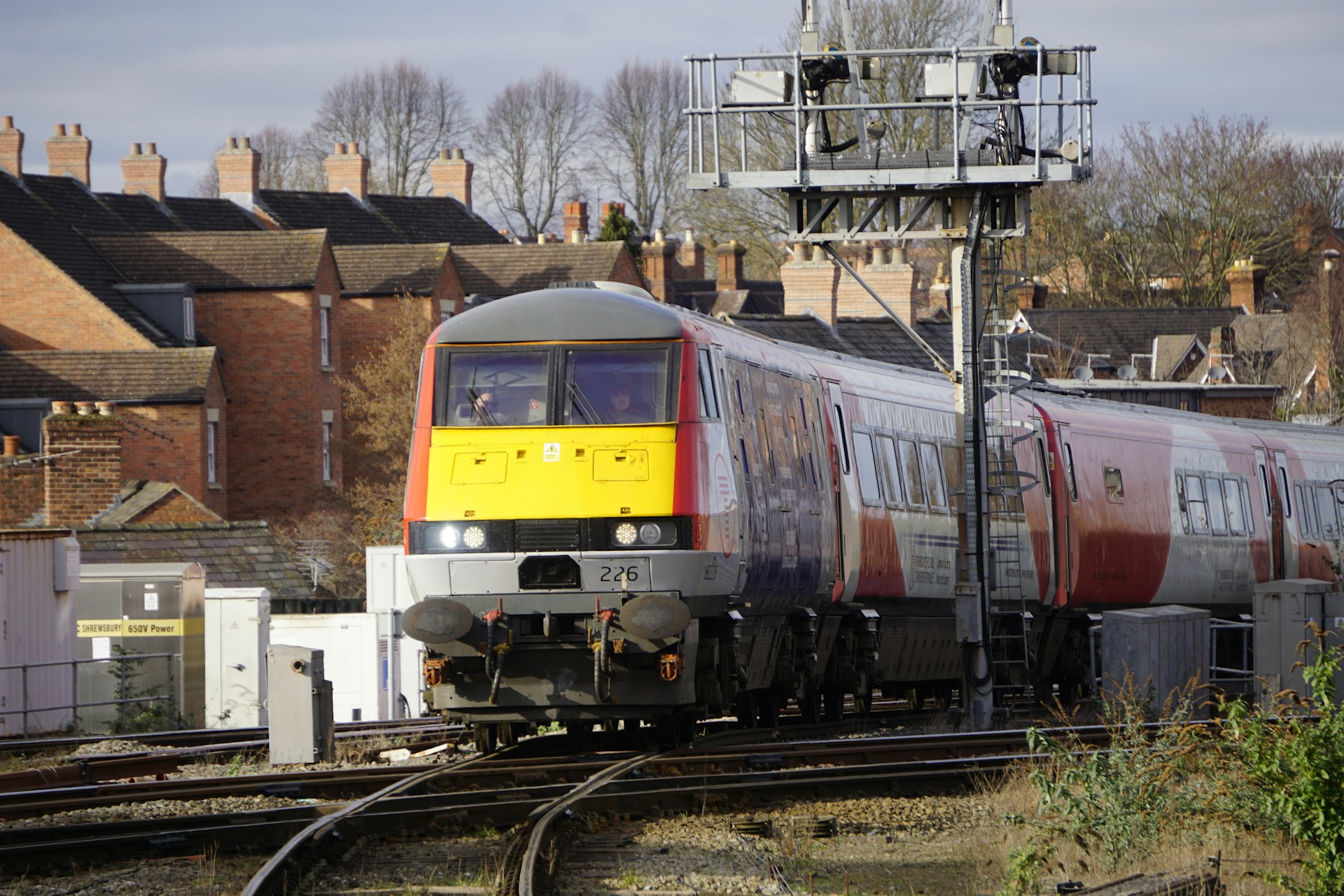
The Department for Transport confirmed in 2024 that passenger services operated by South Western Railway transferred to public ownership following the expiry of the operating contract, with a similar transition for West Midlands Trains scheduled to take place during 2026. Taken together, these changes provide an indication of how the Government intends to manage passenger rail services as existing contracts reach their end.
South Western Railway as an operational precedent
The department stated at the time of the South Western Railway transfer that public ownership was implemented to ensure service continuity and operational stability at the point of contract expiry, while maintaining existing timetables and fare structures. Ministers confirmed that the transfer was not positioned as a standalone reform, but as an interim governance arrangement within a wider programme of rail reform, allowing services to continue operating without disruption while longer term structural changes are developed.
Since the transfer, South Western Railway services have continued to operate within the existing network framework, providing a practical reference point for how publicly operated passenger services function under current arrangements, including the interface between operators, infrastructure management, and funding oversight.
Implications for the West Midlands transition
The planned transition of West Midlands Trains to public ownership in 2026 follows the same principle of managing contract expiry through direct public operation. The department has stated that this approach is intended to provide consistency across the network where contracts conclude before new governance structures are in place, reducing uncertainty for passengers, local authorities, and delivery partners.
For the West Midlands, the transition has relevance beyond the core metropolitan area, as services operated by West Midlands Trains extend into neighbouring regions and interact with wider regional and national networks. The South Western Railway transfer provides a comparator for how service continuity, timetable stability, and performance management may be handled during and after the transition.
What this signals for future rail planning
The use of public ownership at points of contract expiry indicates an approach that prioritises continuity and control during a period of reform, rather than immediate restructuring of service patterns. For transport planners and local authorities, this suggests that engagement on service development, station access, and integration with other modes is likely to continue through existing planning and funding processes, albeit within a governance framework that sits more directly with central government.
The department has indicated that further changes to rail governance are expected as reform proposals progress, and that publicly operated services may form part of a longer term model for passenger rail. This has implications for how future service specifications, investment priorities, and regional rail strategies are developed, particularly where services cross administrative boundaries or support growth objectives set out in local and combined authority plans.
Relevance to regional and cross boundary planning
For regions such as the South West and the West Midlands, the experience of public ownership highlights the importance of coordinated planning between rail services, local transport authorities, and development frameworks. As governance arrangements evolve, there is a continued need for robust transport evidence to support decisions on capacity, accessibility, and integration with bus and active travel networks, particularly where rail services play a central role in supporting housing and employment growth.
How Transport Planning Associates can support rail planning under evolving governance
Transport Planning Associates supports local authorities, developers, and infrastructure promoters in preparing transport evidence that reflects current and emerging rail governance arrangements, including demand analysis, accessibility assessment, and integration with wider transport strategies. Please enquire to your nearest TPA office for further information on how our consultants can assist with projects shaped by changes in passenger rail service delivery.